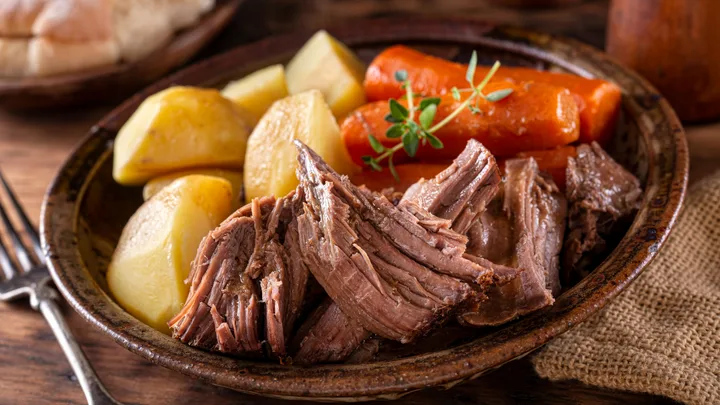
There’s no shortage of modern cooking gadgets on the market promising fuss-free meals. Think the trusty air fryer or even a microwave jaffle maker. But sometimes, it’s the old-school methods that stand the test of time.
When it comes to cooking a melt-in-your-mouth roast, you can’t go past an oven bag.
Sarah Murphy is the Food Editor at Better Homes and Gardens. She says: “There’s a lot of concern about getting a roast just right, you know, you can overcook it, you can undercook it, you can dry it out.
“There’s a lot that can go wrong, and an oven bag may provide reassurance that everything is nicely wrapped up and the juices are all contained.”
We asked BHG Facebook members for their thoughts on oven bags. While some joked they didn’t know oven bags were still a thing, others had nothing but nice things to say about the humble oven bag.
“Very rarely cook a roast without them,” wrote one person.
Another added: “Roasts are so much more tender and less cleaning up.”
“I throw in chops, sausages, bacon, onion, and potatoes, my all-time favourite,” said another.
Rolled rib roast in a bag recipe
If you’re after a new oven bag recipe to try, this one was shared by one of our Facebook members.
“Put some slits in a Rolled Rib Roast, fill them with garlic cloves, and place it in an oven bag with a packet of French onion soup. Slow cook for about 5 hours, remove the bag and soak it in a bowl of water to make gravy. Crank up the oven a bit and get some lovely juices for gravy. (About 1/2 hour). You won’t regret it.”
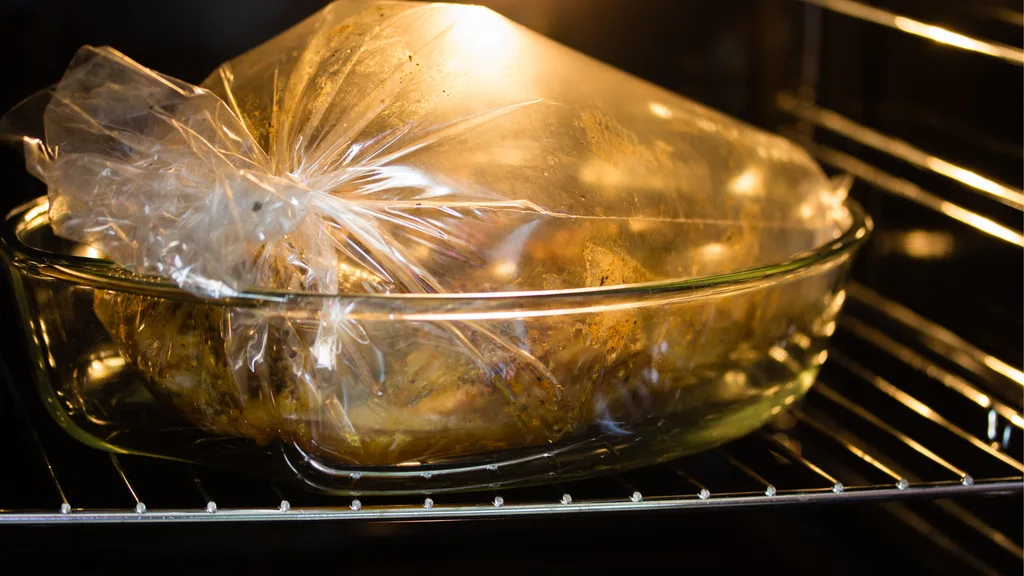
Why cook a roast in an oven bag?
One major reason to use an oven bag is that it traps steam and juices, keeping your meat nice and moist. Best of all, the mess stays tucked away in the bag, making clean-up a breeze when dinner is done. Toss in carrots, onions, and potatoes to soak up all those savoury juices as they roast.
Best meats for pot roast in a bag
The oven bag method works well with beef, lamb, pork, or chicken. Popular cuts include:
- Beef chuck roast or rump roast
- Pork shoulder or leg roast
- Whole chicken or chicken pieces
- Lamb shoulder or leg
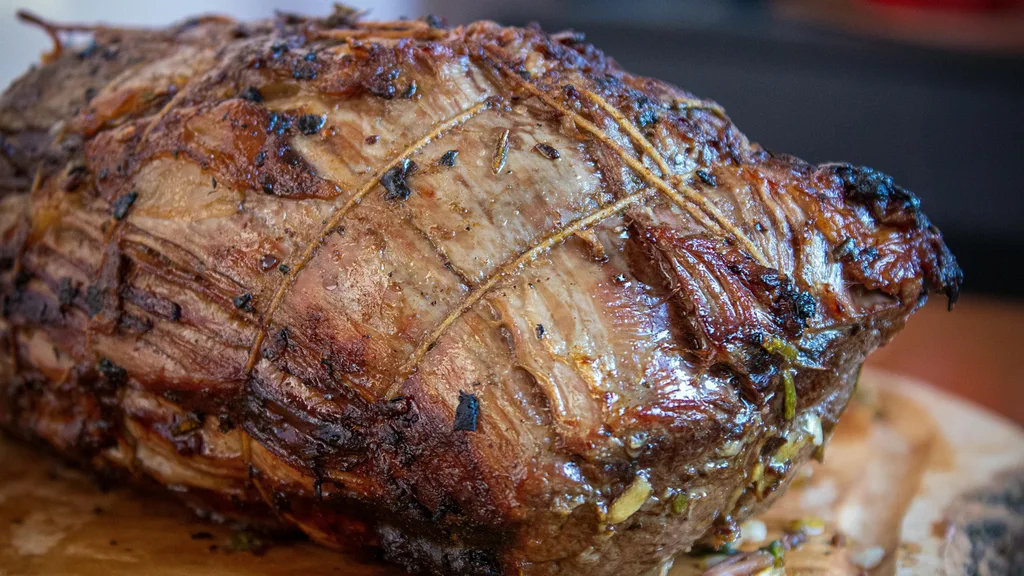
How to cook a pot roast in an oven bag
To make a roast in an oven bag, pile in your meat and veggies, add your favourite seasonings and a splash of liquid, seal it up, and let the oven work its magic. The bag locks in steam and flavour, so everything cooks evenly, no basting or babysitting required.
Oven bag manufacturers recommend adding a tablespoon of flour to the bag to stop it from sticking to the meat. It’s also a good idea to prick the bag a few times or make some slits so some of the steam can escape. The final result is beautifully tender and browned roast meat. (Yes, meat will still brown in an oven bag.)
Keep in mind that an oven bag should not be used in a countertop electric roaster oven.
Cooking times: how long to cook a roast in an oven bag
When cooking with an oven bag, roasting times are often slightly shorter than traditional methods because the bag traps heat and steam.
As a general guide, a 1.5kg beef chuck roast will take approximately 1.5 to 2 hours.
A pork leg or shoulder roast of similar weight also needs about 1.5 to 2 hours.
A whole chicken weighing 1.5kg should be ready in roughly 1.5 hours, while a 2kg lamb leg roast usually takes around 2 hours to cook through.
To avoid guesswork, it’s best to use a meat thermometer to check that your roast has reached a safe internal temperature before serving.
What temperature do I set my oven at?
For most meats, set your oven to 180°C (160°C fan-forced) when cooking in an oven bag. This moderate temperature allows the meat to cook evenly while the bag traps in steam and juices, keeping everything tender and moist.
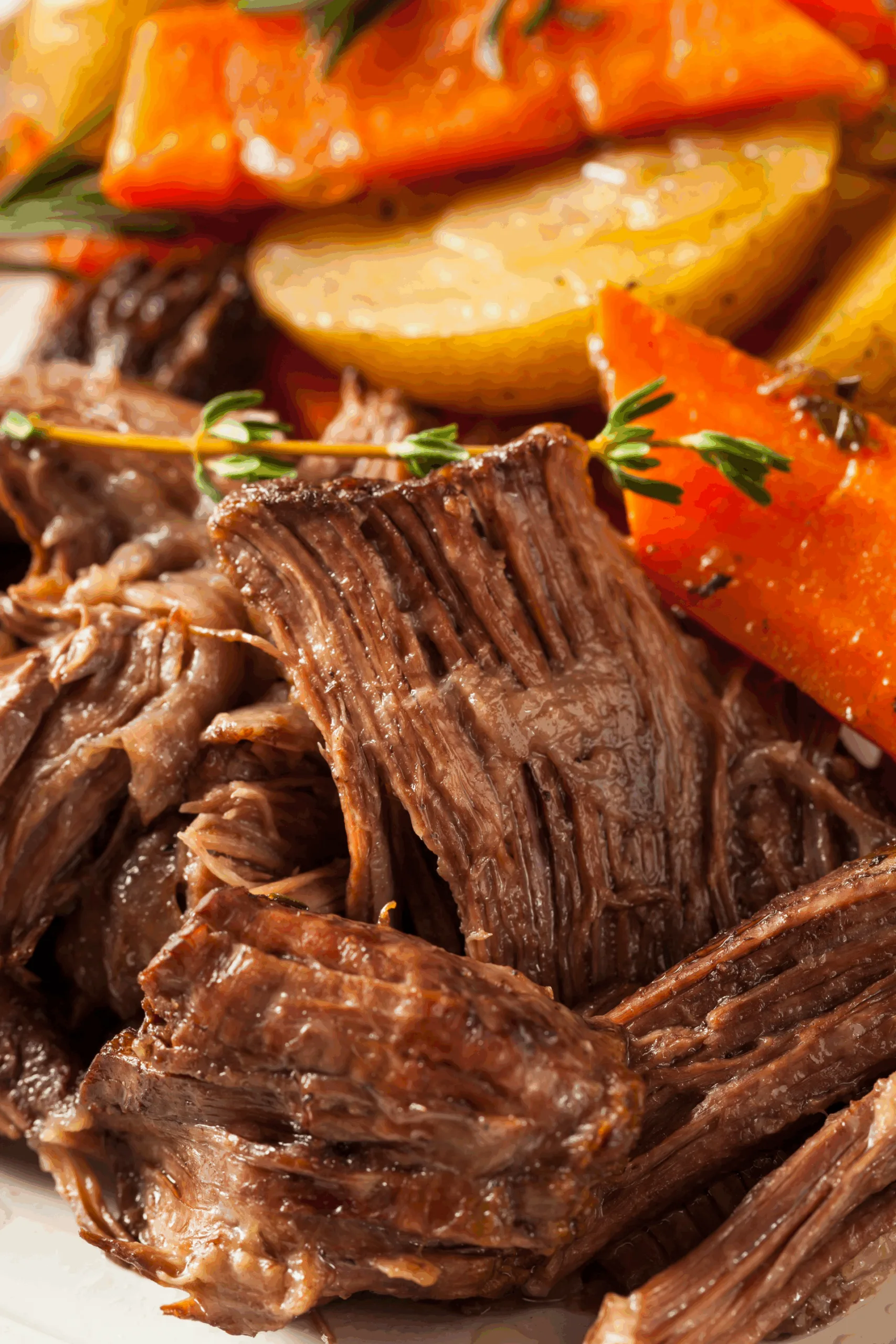
Roast beef in a bag
Ingredients
- 1.5–2kg beef chuck roast (rump roast also works)
- 1 large oven roasting bag + tie
- 2 carrots, peeled and chopped
- 2 potatoes, peeled and halved
- 1 onion, quartered
- 3 garlic cloves, peeled
- 1 cup beef stock or water
- 1 tablespoon plain flour
- 2 tablespoons olive oil
- Salt and pepper, to taste
- Fresh herbs like rosemary or thyme (optional)
Method
- Preheat oven to 180°C (160°C fan-forced).
- Prepare the bag: Add one tablespoon of flour to the oven bag, shake to coat the inside (this prevents the bag from bursting and helps thicken the juices).
- Season the beef: Pat the beef dry with a paper towel, rub with olive oil, and season generously with salt and pepper. For extra flavour, sprinkle with onion soup mix or tuck garlic cloves into small slits in the meat.
- Fill the bag: Place the beef, carrots, potatoes, onion, and garlic into the oven bag. Pour in the stock and add herbs if using.
- Seal and vent: Secure the bag with the tie, leaving room for the bag to expand as steam builds. Cut 3–4 small slits in the top of the bag to allow steam to escape. Place the bag in a large roasting pan.
- Roast: Cook according to the weight of your beef roast (see guide below).
- Check doneness: Insert a meat thermometer through the bag into the thickest part of the beef. Aim for 60–63°C for medium-rare, 70°C for medium, and 75°C for well-done.
- Rest and serve: Remove the bag from the oven, cut it open carefully (watch for hot steam), and transfer the beef and vegetables to a platter. Cover loosely with foil and rest for 10–15 minutes before carving.
- Make gravy (optional): Strain the cooking juices into a saucepan. Bring to a boil, then thicken with one tablespoon of cornflour mixed with two tablespoons of water. Season to taste.
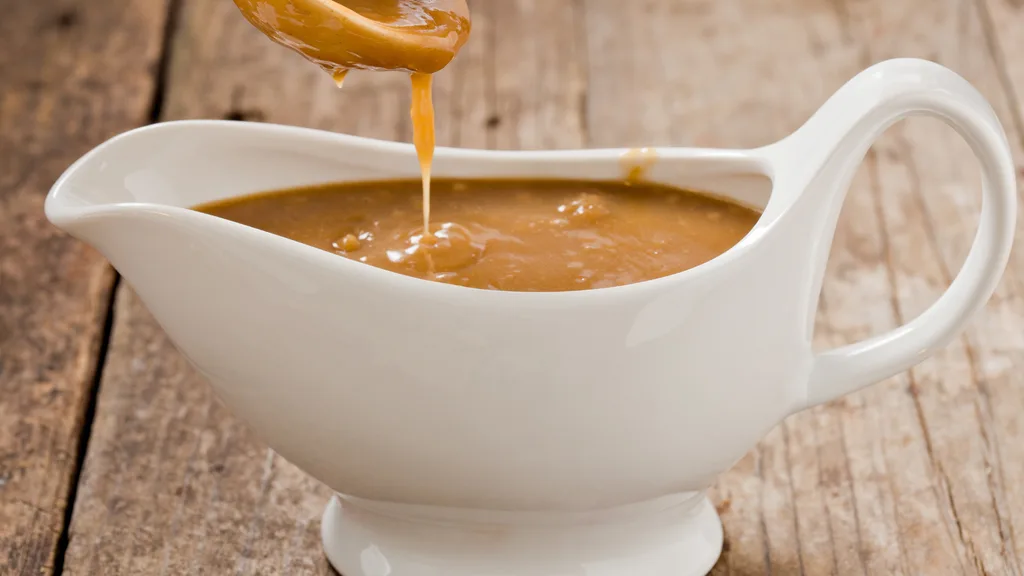
Make your own gravy
One of the most significant benefits of roasting in a bag is the rich juices it creates, which are perfect for making gravy. Simply pour the juices into a saucepan and whisk with cornflour until thickened.
And don’t forget the leftovers. Roast beef from the bag transforms into mouthwatering sandwiches or wraps for tomorrow’s lunch.

Related stories

Native ad body.
Native ad body.
Native ad body.