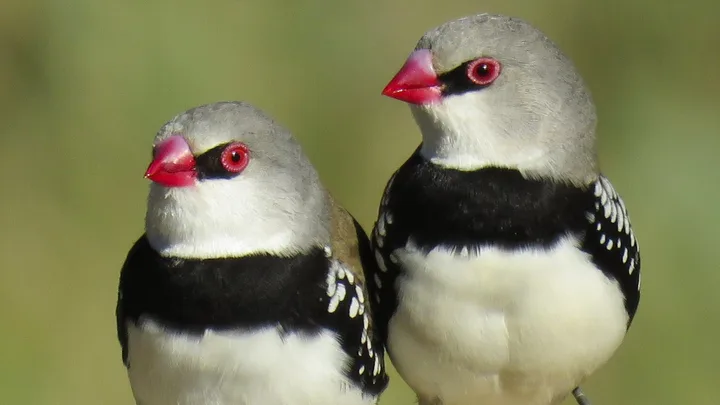
Birdwatching is a simple way to connect with nature, but experts warn that one common beginner mistake could put baby birds at risk.
Sean Dooley, national public affairs manager at BirdLife Australia, says one of the biggest mistakes beginner birdwatchers make is lingering near nests.
“It’s really important not to linger anywhere near a nest, as it can cause the birds not to come in and feed chicks if they have hatched, or it could cause birds to abandon them altogether.
He adds: “It also alerts predators like currawongs and ravens to the possibility of an easy snack.”
How to find birds
The good news is that meaningful birdwatching doesn’t rely on finding nests at all. In fact, most of the time you’ll spot more birds by keeping your distance, staying quiet, and learning how to observe with patience.
“For bush birds, I’d say that 80 per cent of the time you hear them before you see them,” says Sean. “So being quiet out in the bush serves a dual purpose. Birds are less likely to be scared off, and you are more likely to hear them calling.”
Another tip? Sean says to head towards the water. “In the bush, creeks, ponds and puddles will often bring in many birds to drink or bathe, so you get a better chance of seeing them out in the open. And the bigger the wetland, the bigger your bird list is likely to be.”
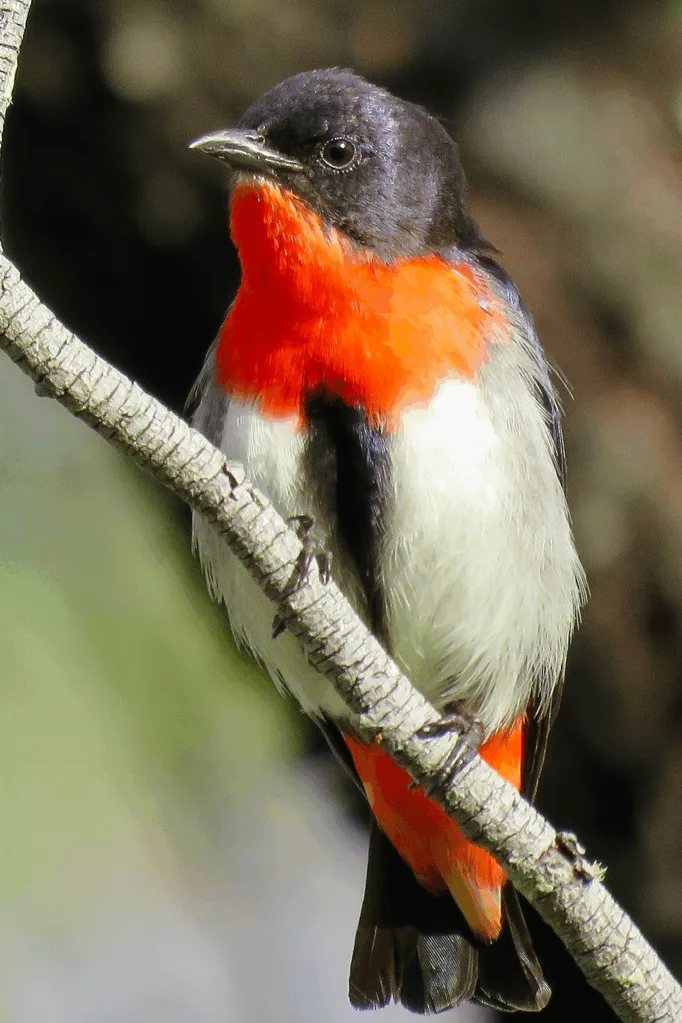
Spotting rare birds
As for rarer birds, Sean was lucky enough to see the Grey Falcon, native to Australia. This bird is classified as vulnerable, which explains why it took Sean 16 or 17 attempts before finally seeing one.
Next on his list? The night parrot. This rare bird is one of Australia’s most mysterious. Once thought extinct, it was rediscovered in 2013. Since then, bird watchers have been scouring the outback on freezing nights, hoping for a glimpse.
“When I first looked, I didn’t know for sure they still existed,” says Sean. “But since their rediscovery, I now know my chance of finding one has gone from 0.0% to 0.000001%!”
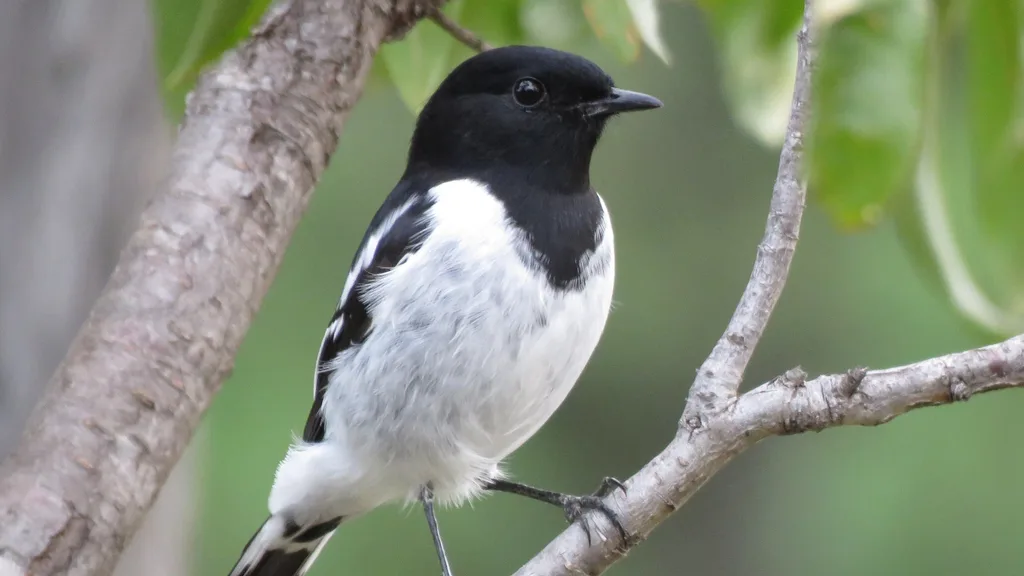
Birdwatching for beginners
If you’re considering birdwatching, you don’t need fancy gadgets or to travel to the outback.
In fact, Sean says, “All you really need are your eyes and ears.”
“Having binoculars and a camera can enhance the experience by bringing the birds closer to you, but they are not 100% necessary to have a fantastic time out in nature.”
Additionally, Sean says he likes to take a notebook to record what he sees so he can enter those notes into the Birdata app (BirdLife Australia’s citizen science app.)
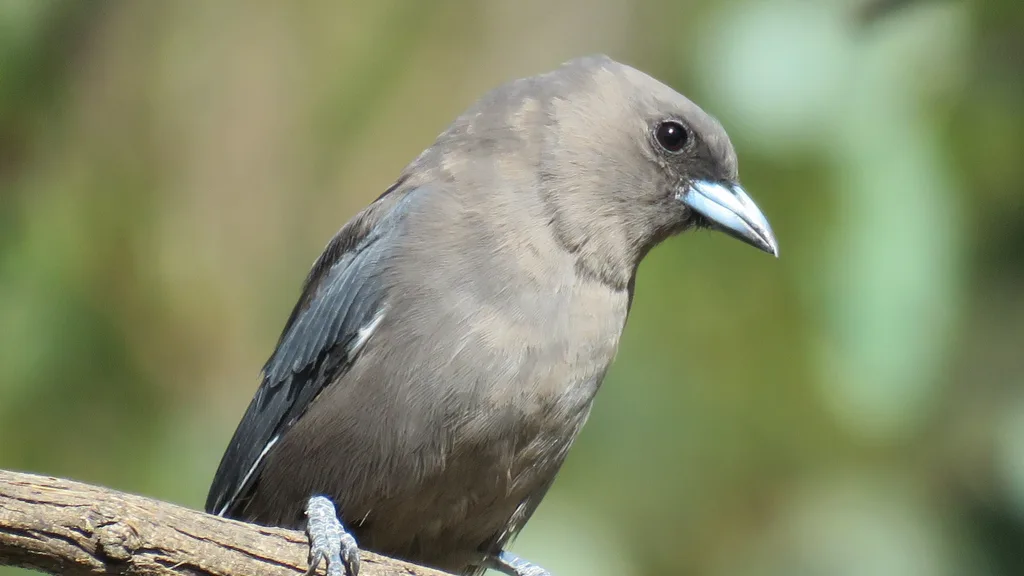
Spotting and identifying like a pro
If you’re new to birdwatching, identifying what you see can feel overwhelming. The trick, according to Sean, is to look for differences rather than trying to memorise every field guide photo.
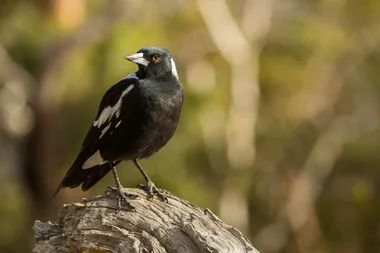
“Everyone already knows some kind of bird, be it a magpie or kookaburra,” he says. “So when you see something different, ask: Is it larger or smaller than a magpie? Is the bill longer? What was it doing? Feeding on the ground or in a tree?”
Sean adds: “As you get to know more birds, you start to notice even more differences and things like what the bird was doing, whether it was feeding on the ground or in a tree, begin to help you out.”
And if a bird is too far away to see any finer details? Sean says, “Sometimes you can’t identify them.”
Adding, “but often your eye will be drawn to the silhouette. The shape of the body, tail, posture and bill can be surprisingly helpful even when you can’t see colours.
“Often the way a bird holds itself is as instructive as what colour it is.”
Whether you’re a seasoned birder or simply curious about the feathered wonders of the bush, the inaugural Capertee Valley Bird Festival promises a rare chance to connect with nature, community, and some of Australia’s most extraordinary birdlife. Running from 19–21 September 2025, visit the website for more information.

Related stories
Native ad body.

Native ad body.

Lawn envy is real, here’s how to have the best on the block
Native ad body.