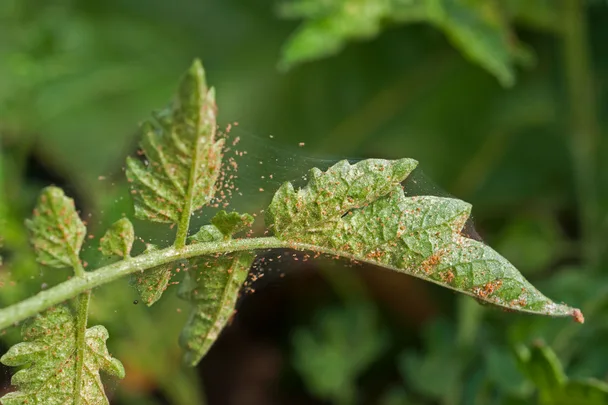
Spider mites, a notorious garden pest, can wreak havoc on your plants if left unchecked, especially during warm weather when their populations multiply rapidly.
In Australia, “spider mites” and “red spider mites” are often used interchangeably to refer to members of the Tetranychidae family. These tiny arachnids suck sap from leaves, causing yellowing and foliage death. Despite slight differences between species, both terms generally describe the same type of pest and the damage they inflict on plants.
The trouble with this garden pest is that they aren’t picky eaters, as they can target various fruits and vegetables in your garden.
What are spider mites?
In a recent episode of Better Homes and Gardens, Charlie Albone explains, “A spider mite is a tiny little bug that lives on the underside of the leaf like a spider. Now they’ve got the sap sucking mouth part and suck all the sap out.”
They are a common pest found on indoor and outdoor plants. These mites are typically reddish-brown or yellowish and have eight legs as adults. They can be hard to spot because of their size, with some describing them as smaller than a pin’s head and similar to a tick.
Spider mites reproduce rapidly, with females laying numerous eggs on a plant, often in protective webbing. This quick reproductive cycle allows spider mite populations to explode under favourable conditions, causing significant damage to plants.
Signs you have spider mites
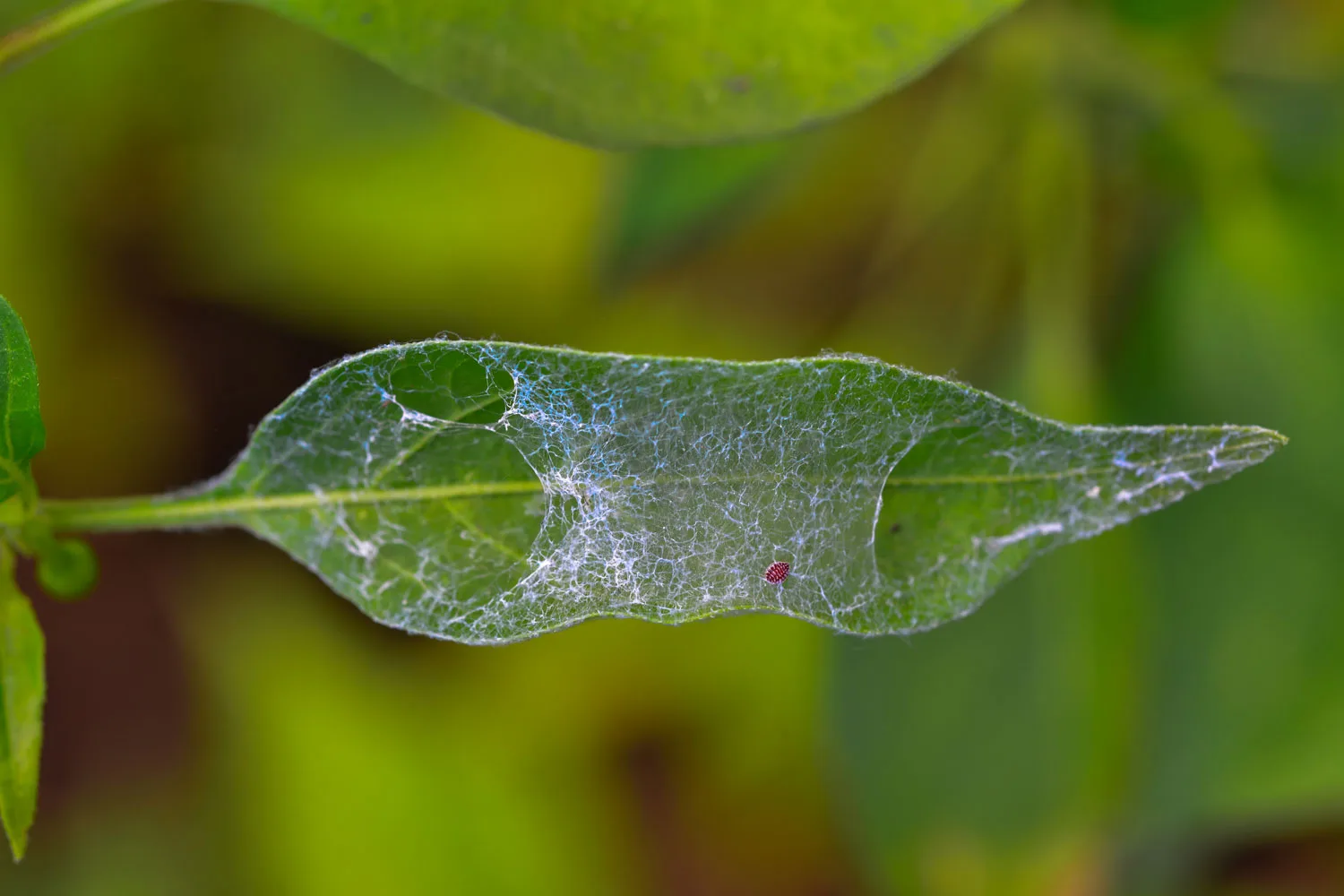
Fine webbing: Spider mites often produce fine silk webbing on the undersides of leaves, between stems, or on buds and flowers. These webs may appear as thin layers or intricate patterns.
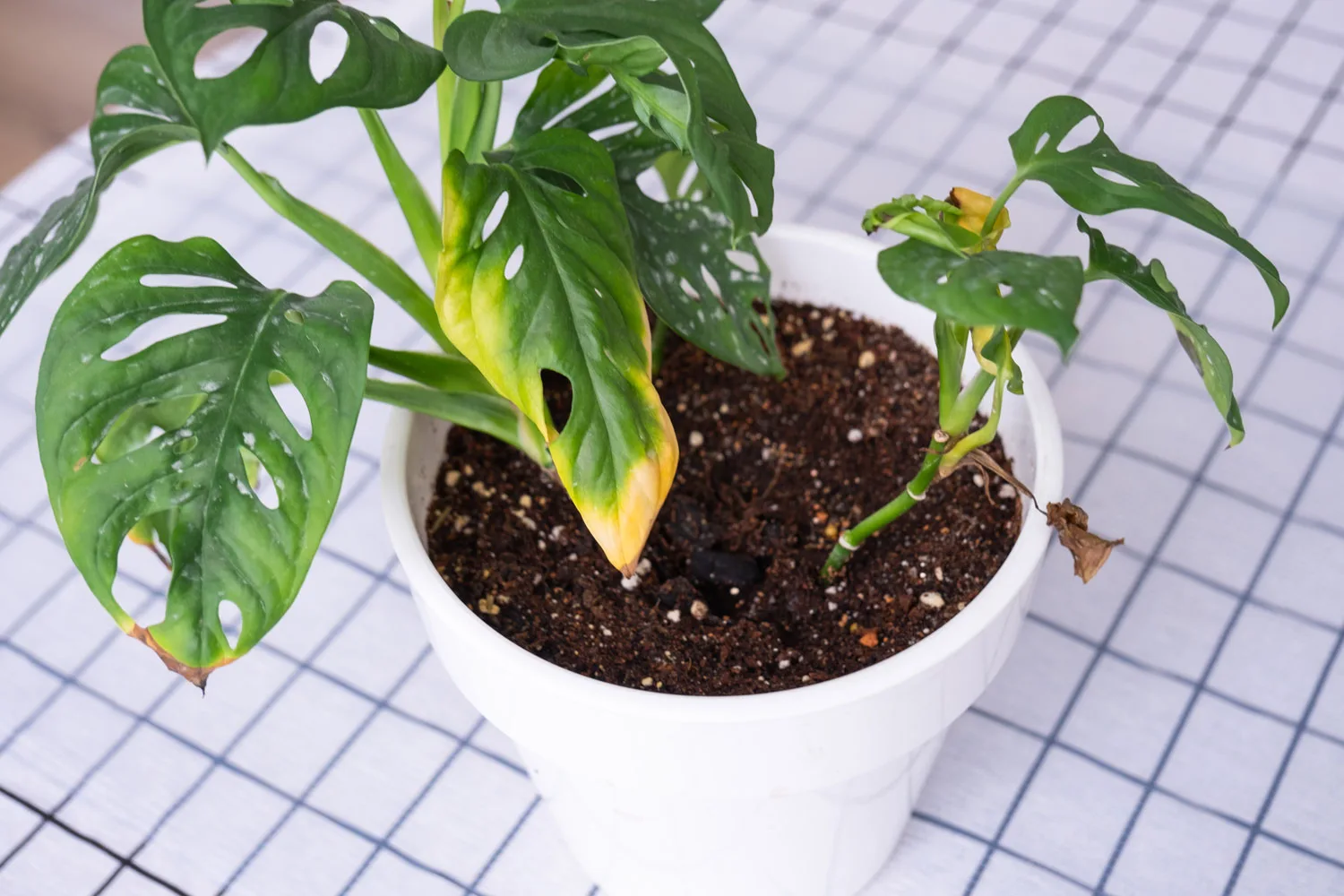
Discolouration: Infested leaves may develop yellow, bronze, or silver speckles, which indicate cellular damage caused by feeding. Severe infestations can lead to extensive leaf discolouration and eventual leaf drop.
Small spots: Spider mites feed by puncturing the leaves and sucking out the goodness, leaving behind small, light-coloured spots on the upper surface of leaves. Over time, this damage can merge, leading to a mottled appearance.
Fine silk threads: If you gently shake a leaf over a white piece of paper, you may notice specks moving on the paper. These specks are the mites or their eggs, and they may appear as tiny dots or moving threads.
Visible mites: With severe infestations, you may see the spider mites themselves crawling on the plant leaves.
Seasonal patterns: Spider mites are most active during warm, dry conditions, so infestations often peak in summer. Keeping an eye on your plants during these times can help you detect mite activity early.
How to get rid of spider mites
Charlie says that the infestation isn’t too bad, the first thing you need to do is increase the airflow and give your plant a prune.
“Pruning is going to create new growth, so you want to make sure the new growth is nice and healthy,” he says.
The gardening expert then adds fertiliser and an insecticide called Incedicide (Richgro Bug Killa).
“I’m using a systemic insecticide which, as soon as you water the plant, it’s going to get sucked up inside. And as soon as the sap sucking mites have some of this, it’s game over.”
But he wouldn’t use it when the plant is in flower because it can have adverse effects on your beneficial insects, too. He adds: “A dose of insecticide every 8 weeks will deal with those suckers in no time.”
Another approach for getting rid of spider mites is to use a horticultural oil.
“You can also spray the spider mites with a horticultural oil, but you do need to get the undersides and top of the leaf, and repeat the process weekly until there is no sign of pest,” says Charlie.
These methods can also be used on aphids and white flies.

Related stories

Native ad body.

Native ad body.

Lawn envy is real, here’s how to have the best on the block
Native ad body.