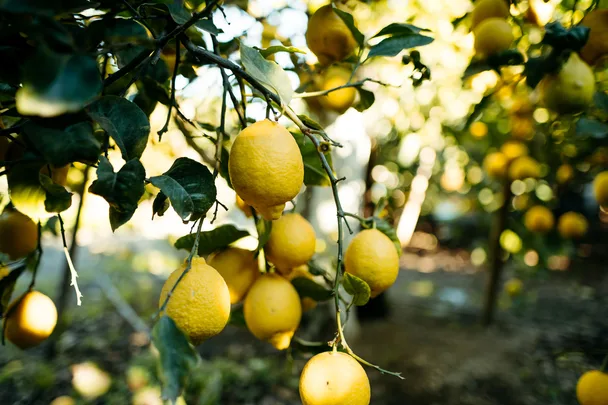
Growing citrus trees can be very rewarding.
If you care for them properly, they will produce abundant fruit crops for years to come. That is, if you provide the proper nutrients through fertiliser.
Proper fertilisation gives citrus trees the essential nutrients they need for growth, development, and overall health. Well-nourished trees are better equipped to withstand environmental stressors, pests, and diseases.
Aphids, scale insects, and citrus leaf miners are pests often drawn to succulent new growth on citrus trees.
When should I fertilise my citrus trees?
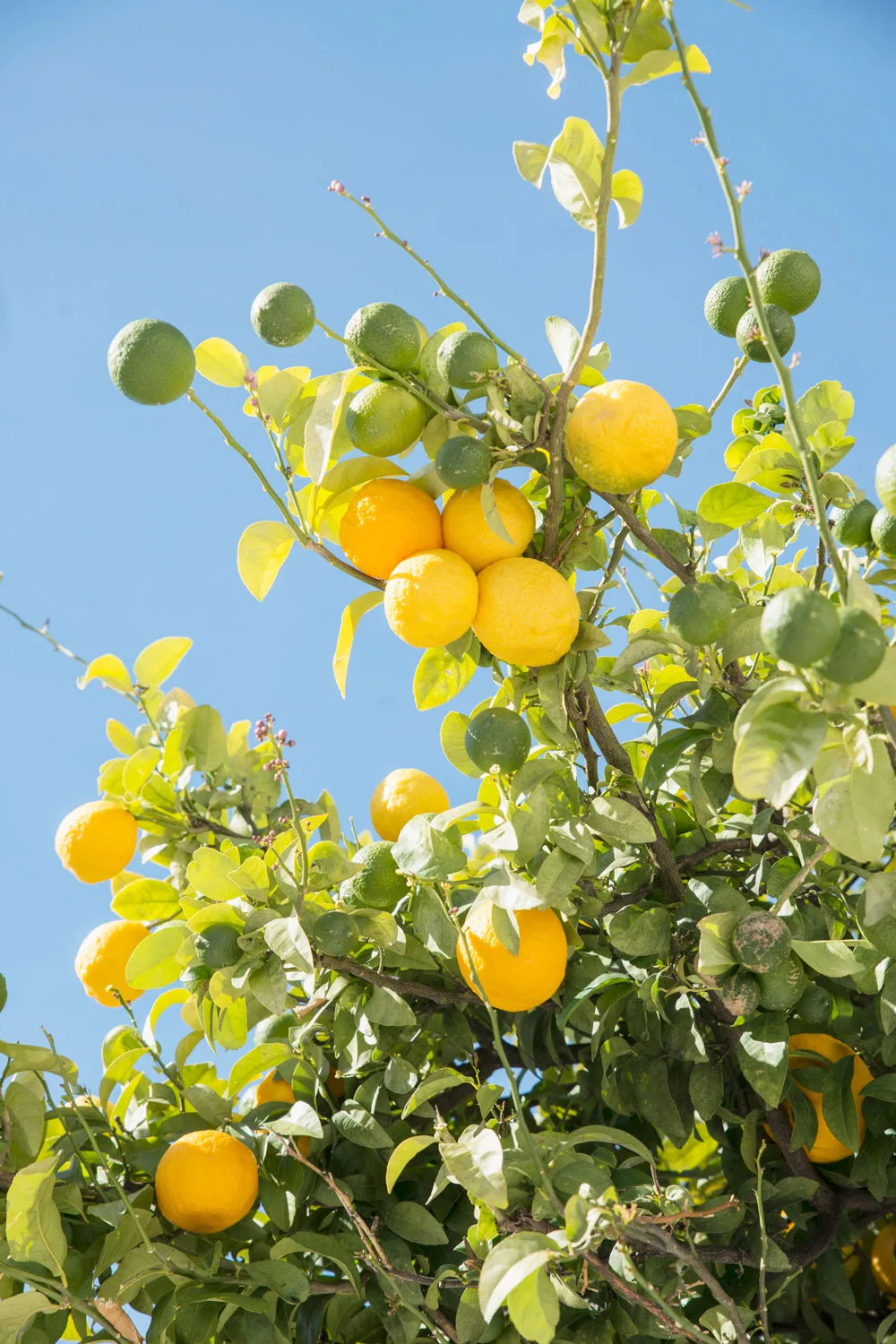
Ideally, you should fertilise your citrus trees every two to three months, starting in early September and ending in April.
Fertilising citrus trees is not recommended during the winter months of June to August. The cold temperatures inhibit root activity, reducing the tree’s ability to absorb nutrients efficiently.
In his weekly Good Gardening email, South Australian gardening icon Jon Lamb echoes this advice, adding that your tree’s leaves might turn yellow if you get the timing of your fertiliser wrong.
“Feeding citrus in the middle of winter is rather pointless as the ground is too cold for their roots to take up enough plant food to maintain their dark green colour.
“April is an ideal time to apply fertiliser to all citrus trees. Remember that it will take several weeks for the nutrients to be changed into a form the trees can use, he says.”
However, this advice may vary depending on your location. While it’s generally advisable to avoid fertilising citrus trees during the winter months in most Australian climate zones, there can be exceptions depending on local conditions. Light fertilisation during winter may still benefit regions with mild winters or climates where citrus trees exhibit active growth throughout the year, such as parts of Queensland and Western Australia.
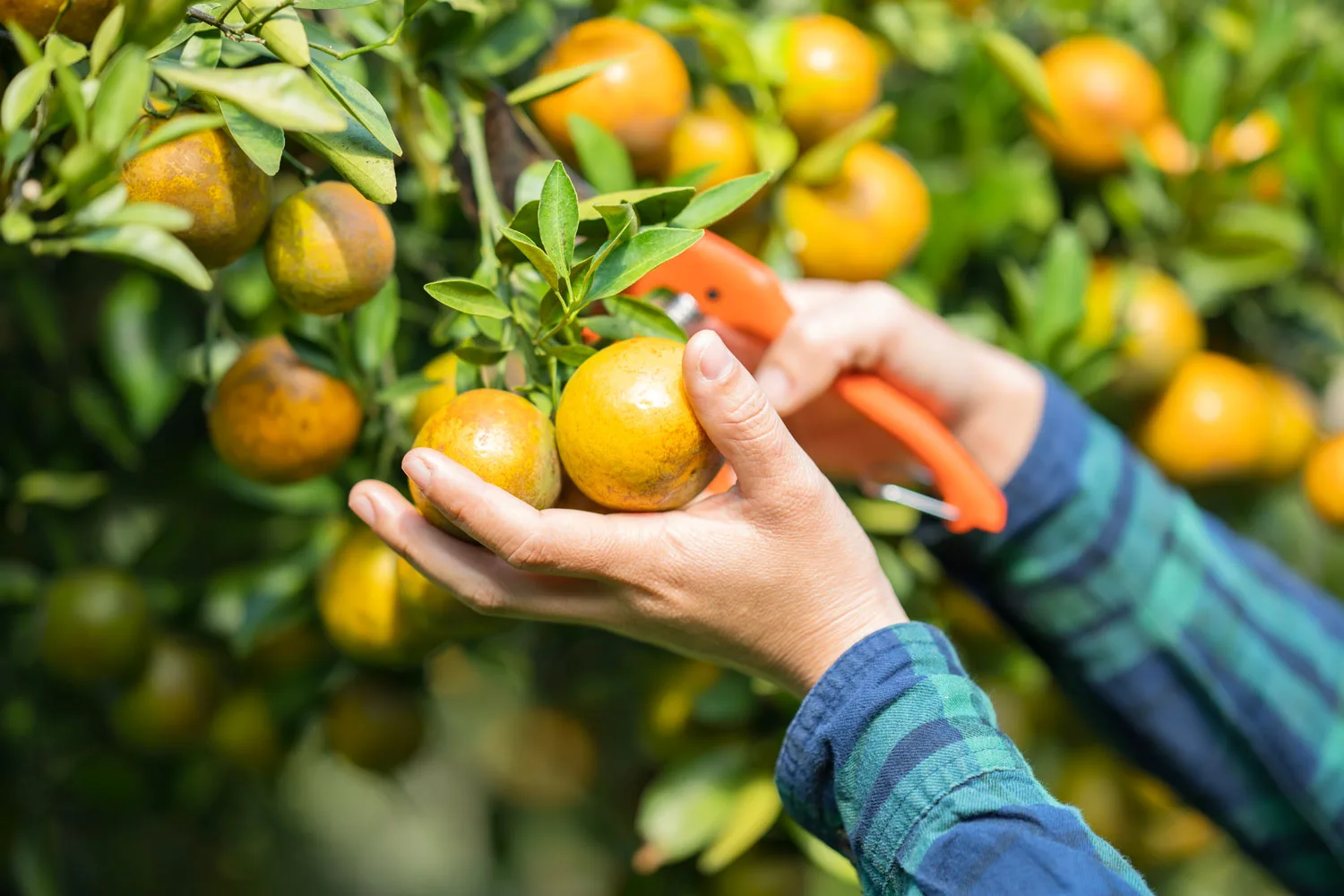
What is the best fertiliser for citrus trees?
Citrus trees are heavy feeders with specific nutrient needs — primarily nitrogen (N), phosphorus (P), and potassium (K). The best fertilisers for citrus are those explicitly formulated for fruit trees, often with an NPK ratio around 10-5-10 or 15-5-12, plus added micronutrients such as iron, manganese, zinc, and magnesium.
In his Guide to Plants, gardening expert Paul Bangay reminds us that citrus needs regular feeding to thrive.
“I use well-rotted manures, but there are good citrus fertilisers on the market too,” he writes.
Fertiliser comparisons: What works best?
Blood and bone
Blood and bone meal can benefit citrus trees by providing a slow-release source of nitrogen and phosphorus, which are essential nutrients for their growth. However, it may lack other essential micronutrients that citrus trees require.
Dynamic lifter
Dynamic Lifter is a great organic option made from poultry manure, blood and bone, and fish meal. It enriches the soil and supports plant health, but may benefit from additional potassium or trace elements, depending on the quality of your soil.
Is Seasol OK for citrus?
Seasol is not a fertiliser, but it’s an excellent seaweed-based tonic that helps with root development, stress recovery, and soil microbe activity. Use it in addition to a complete citrus fertiliser, especially after planting or during extreme weather.
Can citrus fruits be used as fertiliser?
Not directly. Fresh citrus peel is too acidic and can inhibit the decomposition process. However, composted citrus waste can be used in garden beds, including for citrus trees, as part of a well-balanced compost mix.
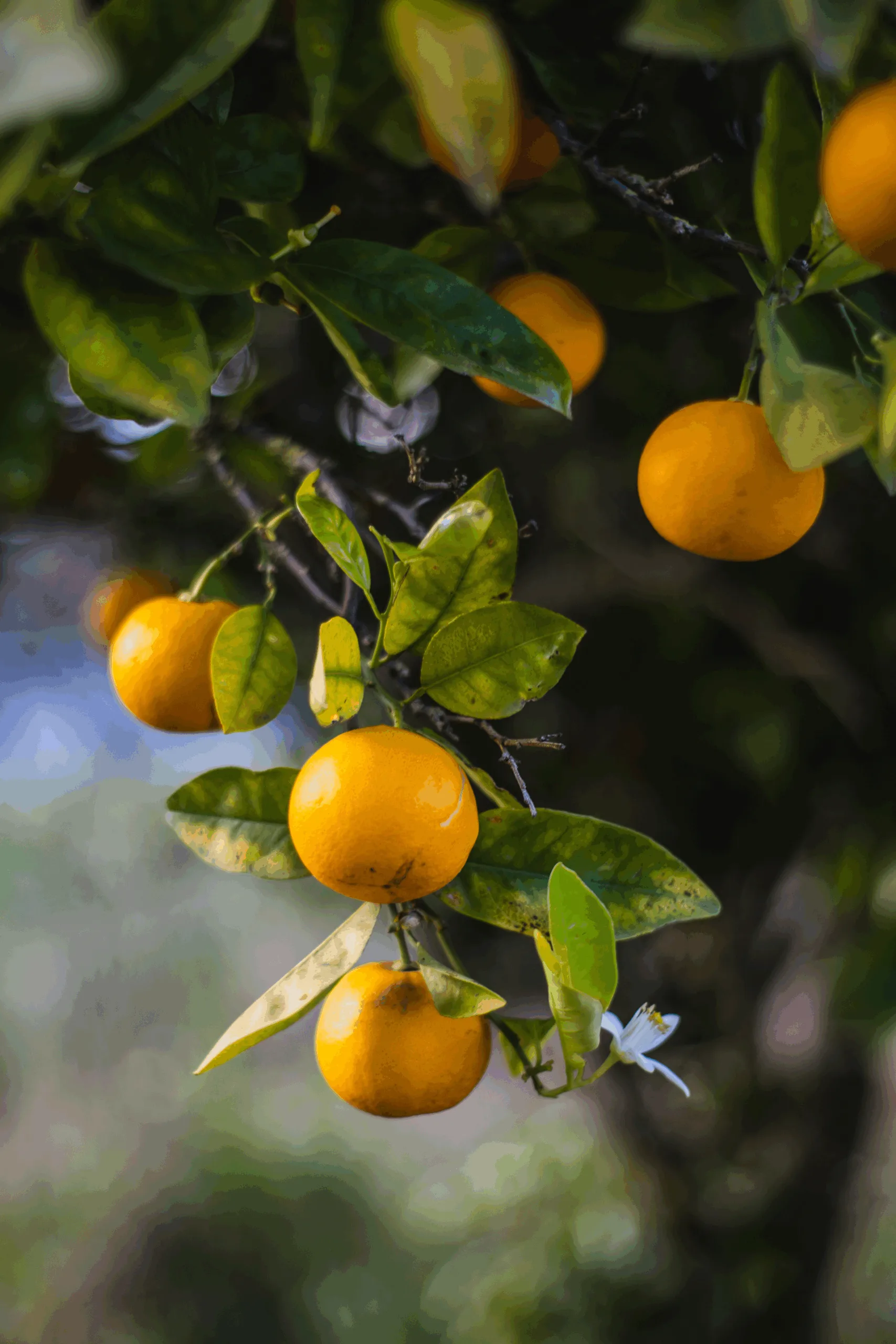
When should I feed my lemon tree?
While lemon trees are citrus fruits, there may be differences between fertilising lemon trees and other types of citrus.
- Specific nutrient needs: Lemon trees may require higher levels of micronutrients, such as magnesium and iron.
- Continuous fruiting: Lemon trees produce fruit year-round, requiring consistent nutrient support.
- pH preferences: They prefer slightly acidic soil, so fertilisers should not significantly alter pH.
- Fertiliser formulation: While general citrus fertilisers are effective, specialised formulations may better cater to the needs of lemon trees.
- Application timing: Adjusting fertilisation schedules based on climate, soil, and tree health optimises results.
How to fertilise a citrus tree
- Choose the right fertiliser: Select a fertiliser specifically formulated for citrus trees.
- Timing: Fertilise citrus trees during the active growing season, typically from late winter to early autumn.
- Calculate the amount: Determine the quantity of fertiliser required based on the size and age of your citrus trees. Refer to the fertiliser package instructions for guidance on application rates.
- Spread the fertiliser: Remove any mulch around your tree. Apply the fertiliser evenly around the tree’s base, starting a few inches from the trunk and out to the drip line (the outer edge of the tree’s canopy). Avoid placing fertiliser directly against the trunk to prevent burning.
- Water thoroughly: After applying the fertiliser and mulch, water the area thoroughly to help dissolve the fertiliser and carry nutrients down to the roots. Then, reapply the mulch.

Related stories

Native ad body.

Native ad body.


Lawn envy is real, here’s how to have the best on the block
Native ad body.