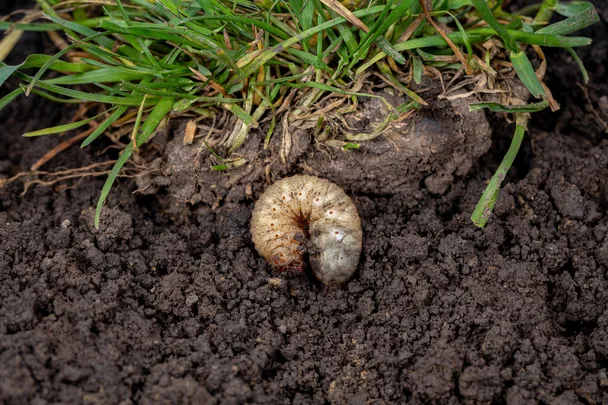
Lawn grubs may be tiny, but they can wreak havoc on your lawn in no time. Wait too long, and by the time these pests become beetles, your once-green patch will be in trouble.
With the first warm days of September behind us, now is the ideal time to stop those pesky bugs before they take over your turf.
Expert gardener Jon Lamb writes, “It is not just the beetles that cause considerable damage to your lawn – curl grubs, the lawn beetles’ juvenile stage, can be even more damaging.
He adds: “The Key to beetle control, according to lawn consultant Stefan Palm, starts with controlling the curl grubs, particularly during late winter and early spring when beetle eggs are hatching and turning into grubs.”
On his lawn blog, Stefan says now is the time to act.
“The ideal treatment window is late August to early September. This aligns with the time beetle eggs begin hatching. Applying a preventative insecticide during this window ensures that the larvae are controlled before they start feeding—protecting your lawn before it even looks stressed.”
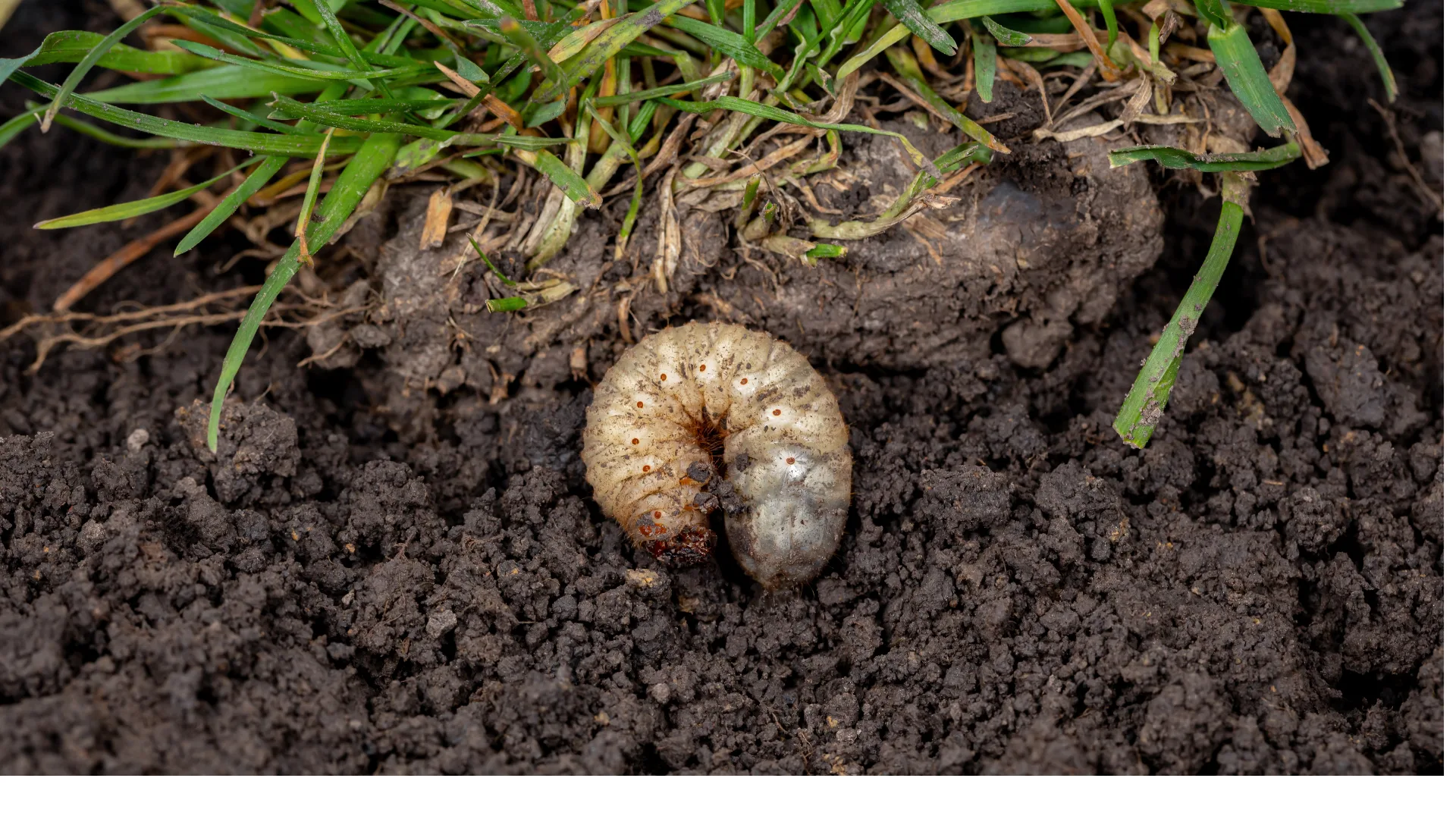
What is a lawn grub?
In Australia, ‘lawn grub’ is a general term used to describe two common types of grubs: armyworms and white grubs.
Armyworms are grubs that grow into the moth Spodoptera Mauritia. The larvae are usually green, brown, or black, with stripes along their bodies. They feed on grass blades, causing significant lawn damage if left unchecked.
On the other hand, white grubs develop into various species of beetles, including the African black beetle and the Argentine Scarab (often mistaken for Christmas beetles); they are characterised by their creamy white colour and C-shaped bodies. White curl grubs feed on the grass roots and can cause similar damage to lawns as other types of lawn grubs.
The best way to treat lawn grubs
To banish lawn grubs, reach for insecticides like neem oil or specialised products such as Acelepryn.
Stefan writes: “Acelepryn is best used as a preventative in late August to early September, before larvae start feeding on turf roots.”
He adds that it’s available in two forms:
Yates Grub Kill & Protect (for home gardens)
Acelepryn GR (for larger or commercial turf)
How do you know you have lawn grubs?
Common signs of worm grubs include:
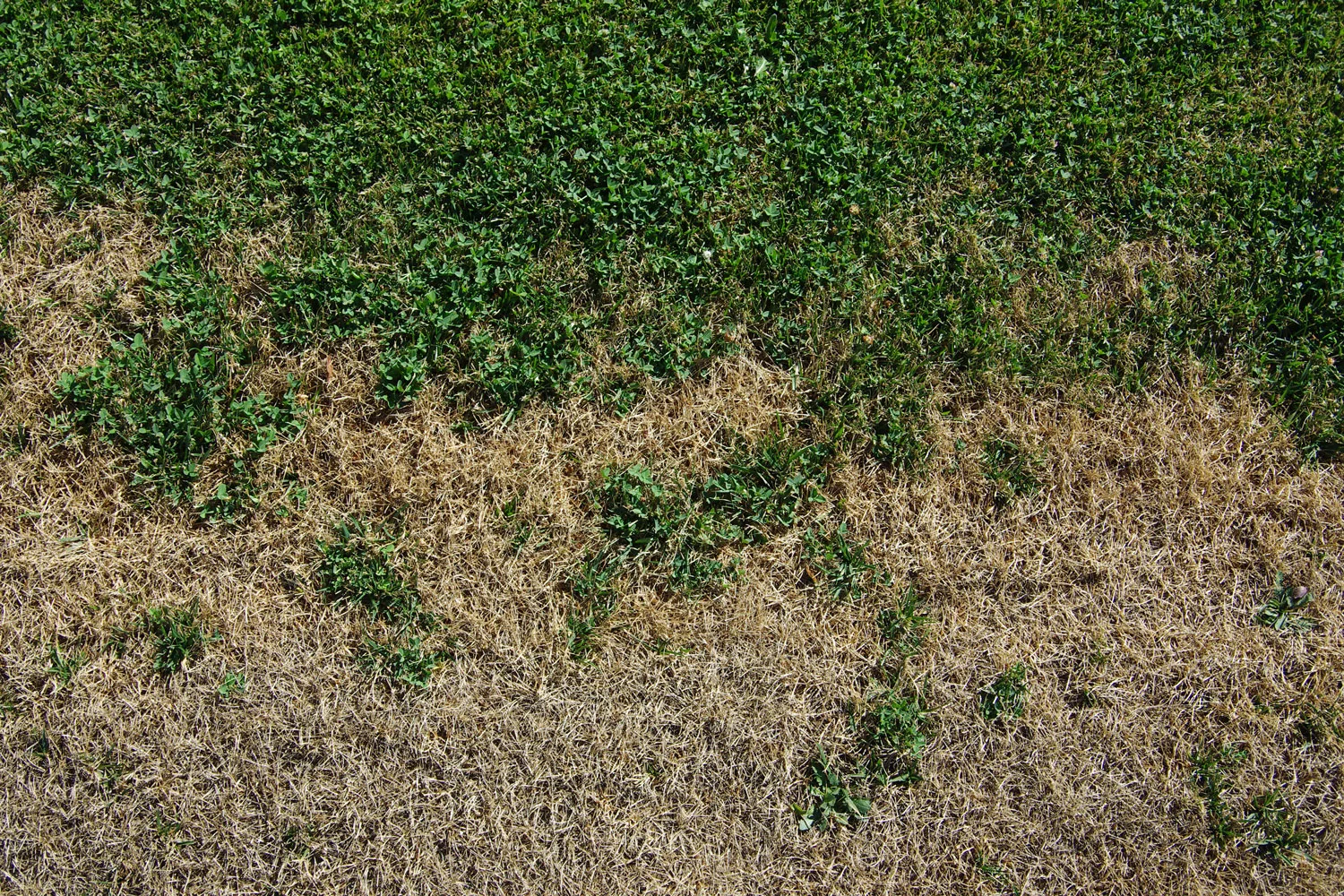
Brown patches: If you notice uneven brown spots in your lawn that do not improve with watering or fertilising, it may indicate the presence of lawn grubs.
Spongy or wilting grass: Parts of your lawn may feel soft when you walk on them or appear wilted, even if you water them sufficiently. This happens because the grubs damage the roots, preventing the grass from absorbing water and nutrients properly.
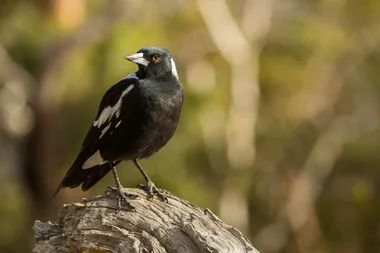
Increased bird activity: Birds are natural predators of lawn grubs. Increased bird activity in your lawn may indicate the presence of grubs.
Keep a close eye on your lawn in late summer and early autumn, when grubs are at their hungriest. Spotting damage early is key, as these pests feast voraciously before turning into beetles.
The lawn grub test
An easy way to check for grubs is to pour a bucket of soapy water over the area. If there are grubs, they will usually come up to the surface in about ten minutes. You can also put a wet towel over a brown patch overnight. By morning, any grubs hiding underneath will likely be on top of the grass.
Although some people claim soapy water can help rid your lawn of grubs, this isn’t the case. It’s mainly used as a detection test, not a treatment. When you pour a bucket of water mixed with a bit of dish soap over a patch of lawn, the soapy solution irritates the soil surface. If curl grubs (or armyworms) are present, they’ll wriggle up to the top within about 10 minutes, confirming the infestation.
But it won’t kill them. At best, you might drown or dislodge a few, but the majority will remain in the soil, feeding on roots.
How to get rid of lawn grubs
Your step-by-step guide to kicking lawn grubs out of your yard.
- Identify grub infestation: Look for signs such as irregular brown patches, spongy or wilting turf, and increased bird activity.
- Confirm grub presence: Dig small sections of affected turf to search for grubs beneath the surface. Or use the lawn grub test above.
- Choose a treatment method: Select a way to treat the grubs, such as using neem oil bug spray or Acelepryn grub control products.
- Read and follow instructions: Make sure to read and follow the directions on the product so you use it safely and correctly.
- Apply treatment: Spread the treatment evenly over the parts of the lawn that have grubs, using the recommended amount.
- Water the lawn: Thoroughly water the treated areas to ensure the product penetrates the soil and reaches the grubs.
- Monitor and repeat if necessary: Monitor the lawn for signs of improvement and reapply the treatment if the infestation persists or worsens.
- Nurture your lawn back to health: Feed it with fertiliser rich in essential nutrients, especially nitrogen, and keep it well-watered to help it bounce back strong.
- Consult a professional: If the grubs do not disappear after treatment, seek advice from a local gardening expert or lawn care professional for assistance.
- Keep grubs at bay for good: Stick to regular lawn care, clear away old grass build-up, and mow at the right height to make your lawn less inviting to these unwelcome guests.
Can I use baking soda to get rid of lawn grubs?
Although baking soda is a popular garden remedy, there is limited evidence to suggest it effectively works against lawn grubs.
Applying baking soda to your lawn may not effectively eliminate grubs and can even harm your grass if used in excessive amounts. Lawn grubs eat the roots under the soil, so things like baking soda on top do not reach them.
Many people experiment with baking soda, dish soap, Epsom salts, vinegar, or garlic water to repel grubs. Unfortunately, these quick fixes rarely reach the grubs hiding deep in the soil and may even upset your lawn’s natural balance.

Related stories

Native ad body.

Native ad body.

Lawn envy is real, here’s how to have the best on the block
Native ad body.