

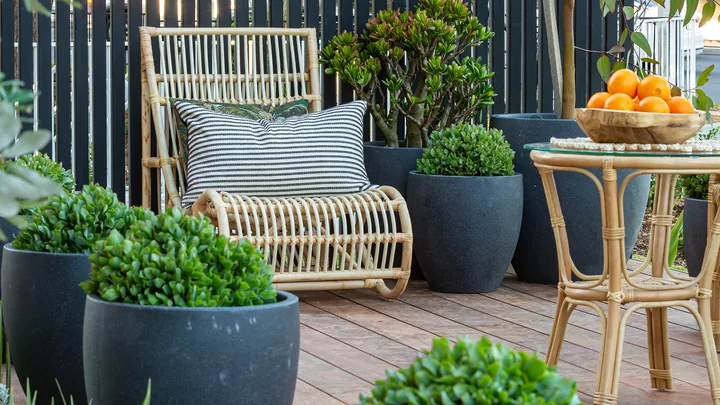
 Photography: Brent Wilson
You’re planning on installing a deck in the backyard, except you’ve realised how expensive it can be. Making sure your deck lasts as long as possible comes down to how it is made, as Rod Schiefelbein, Australian market manager from composite decking company Trex, explains. This is especially important when it comes to issues such as maintenance, deck rot due to rain exposure, and stability weakness from general wear and tear.


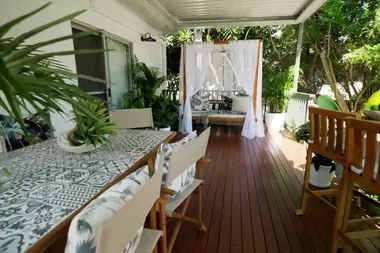
With recent data from HiPages estimating that a deck can cost anywhere from $200-$1000 per square metre, it’s essential to start with good quality advice as early on as possible. Speaking to Rod about deck materials and making them last, he offers his tips to reduce the chances of deck rot and rusting joinery.
1. Insert screws carefully
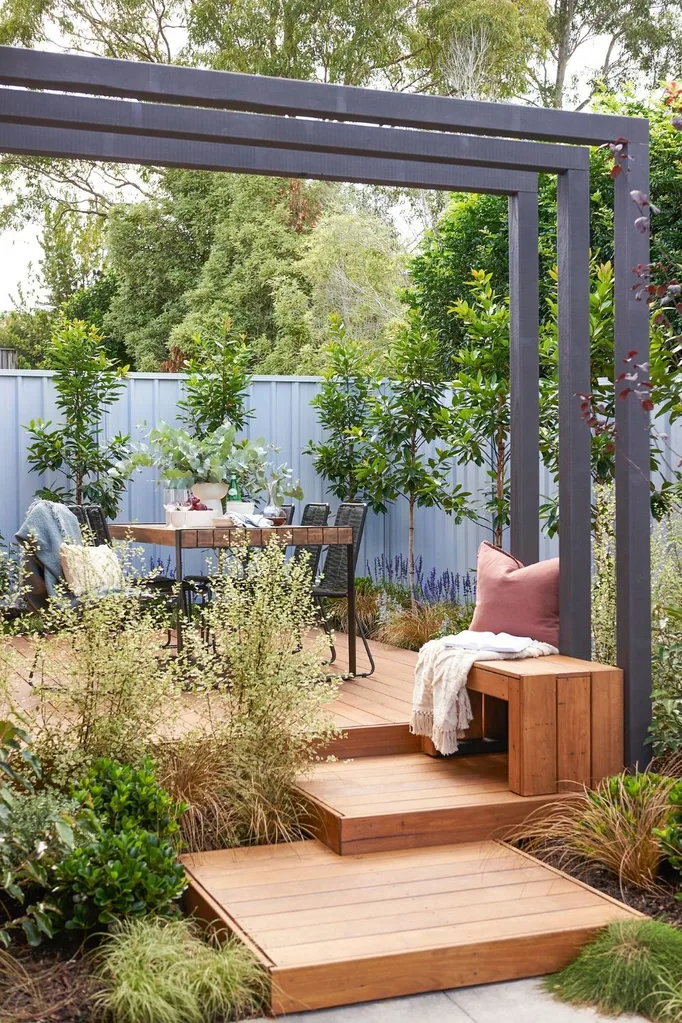
“If you insert your screws into wood too forcefully, it can cause the joist to split at the source. The crack in the joist will expand in the Australian elements, resulting in little ‘wells’ where water can enter and sit, causing corrosion on the screw. Avoid all of this by drilling a pilot hole to prevent cracks.”

2. Keep it dry
“Just as you don’t like being out in the rain, neither do the joists on your deck. When wet, joists and fasteners can warp and rust. Choose materials like galvanised steel or aluminium to reduce the chance of breakdown, and place joists out of the rain where possible.”
If selecting a wooden deck, ensure it is well-shielded from the elements and that adequate drainage has been installed. The Trex RainEscape deck drainage system is perfect for an elevated deck, as it uses an integrated network of troughs and downspouts to divert water away from the deck, protecting it from moisture that can lead to rot and decay.

3. Choose materials resistant to corrosion
“Be strategic about the fasteners and screws you use during construction, choosing materials that work together and reduce corrosion,” says Rod. “For example, don’t use zinc screws to fasten stainless steel materials, as together they can weaken over time.”
4. Prepare and protect
“The life of any structure will be shortened when surrounded by moistened, rotting wood – regardless of what screws and fasteners you use! Invest in a specially-made deck flashing tape protectant, which is a non-skid, self-adhesive butyl tape designed to protect wooden joists and beams from moisture that can lead to rot and the loosening of deck screws and fasteners.”
5. Consider what’s on top
“If you’re going to include pot plants on your deck, move them around regularly and never place them over screws or fasteners. This will ensure wet patches don’t form underneath the pots and trickle down to the metal,” says Rod.


