

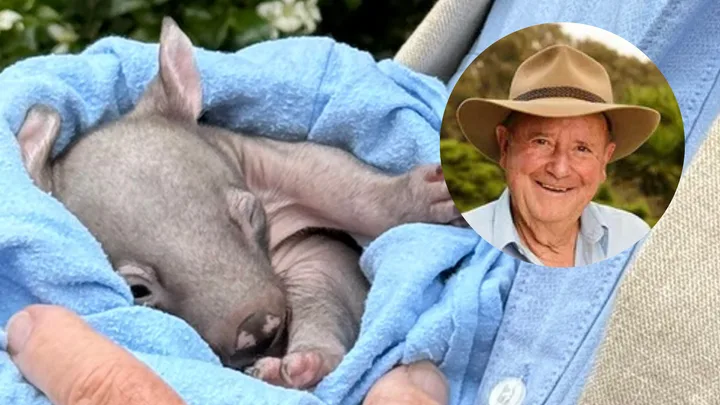
It’s baby season for Australian native animals. While it brings new life and excitement, it is also the time when they face their greatest threats. For every joey born, the dangers are everywhere: speeding cars, domestic pets, and predators. Tragically, many young animals are left orphaned, injured, or worse.
This week, Dr Harry visits a wildlife rescue. It is a small, humble facility where carers work around the clock to save vulnerable animals. He meets carer Kate, who currently has 19 native animals in care. Each one has its own story.
The dangers facing newborn native animals
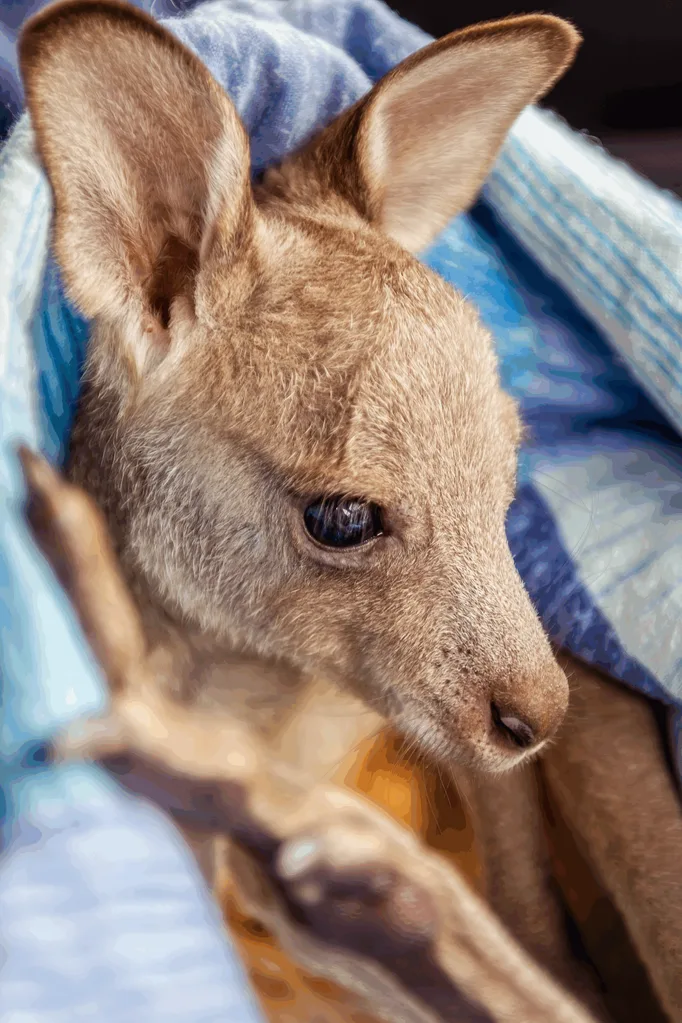
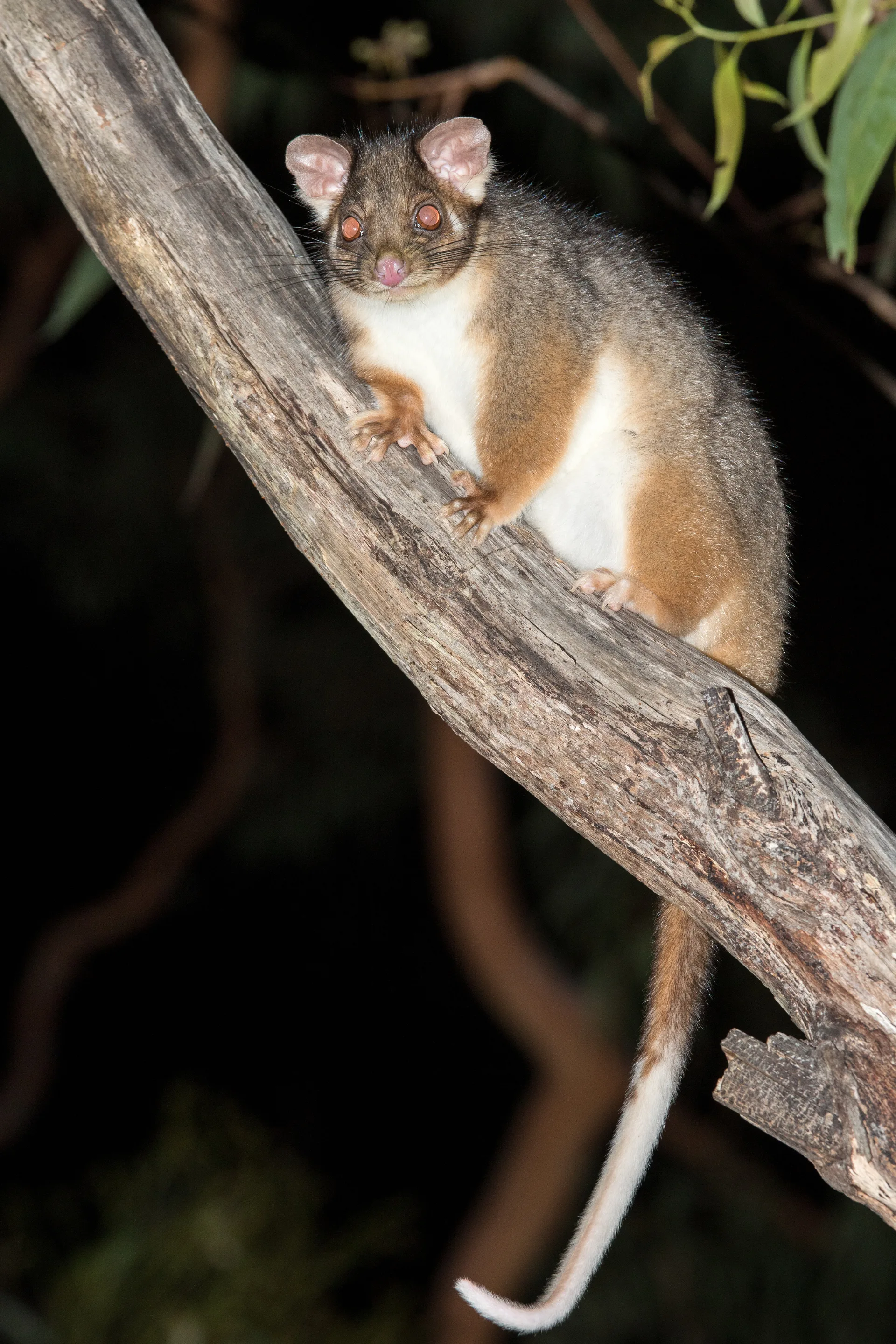
During his visit, Kate introduces Dr Harry to newborn brushtail possums, Southern Highlands wombats, kangaroos and his favourite – ringtail possums. Three of the six ringtails in care have been attacked by cats, which Kate says is one of the biggest problems they face during baby season.
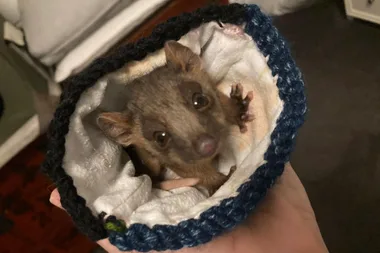
“Cat bites are always going to be septic,” Dr Harry explains. “Cats are carnivores; their claws and teeth carry nasty bacteria. If you don’t get antibiotics into these little guys quickly, it’s game over.”
Roads are another major threat. Fast-moving cars, especially at night, often hit animals without the driver even realising. What many people don’t know is that a joey might still be alive in its mother’s pouch.
“This brushtail possum was found in the pouch of a dead mum,” Kate said. “We presume a car accident… it is so important to check pouches because the average amount of time a joey can survive in a pouch is about 3 days. The milk stops when mum dies, so they’re basically captive in the pouch, and unless someone checks the pouch, they will succumb.”
What to do if you find a joey
Finding a joey doesn’t mean you should try to care for it yourself. Doing so can actually cause more harm.
“A lot of well-intentioned people may have rescued a joey on the side of the road and want to feed it some milk… It’s a big no-no, isn’t it?” Harry asked. “It’s just the wrong thing to be feeding them. The right thing is to find someone who can look after it,” Dr Harry says.
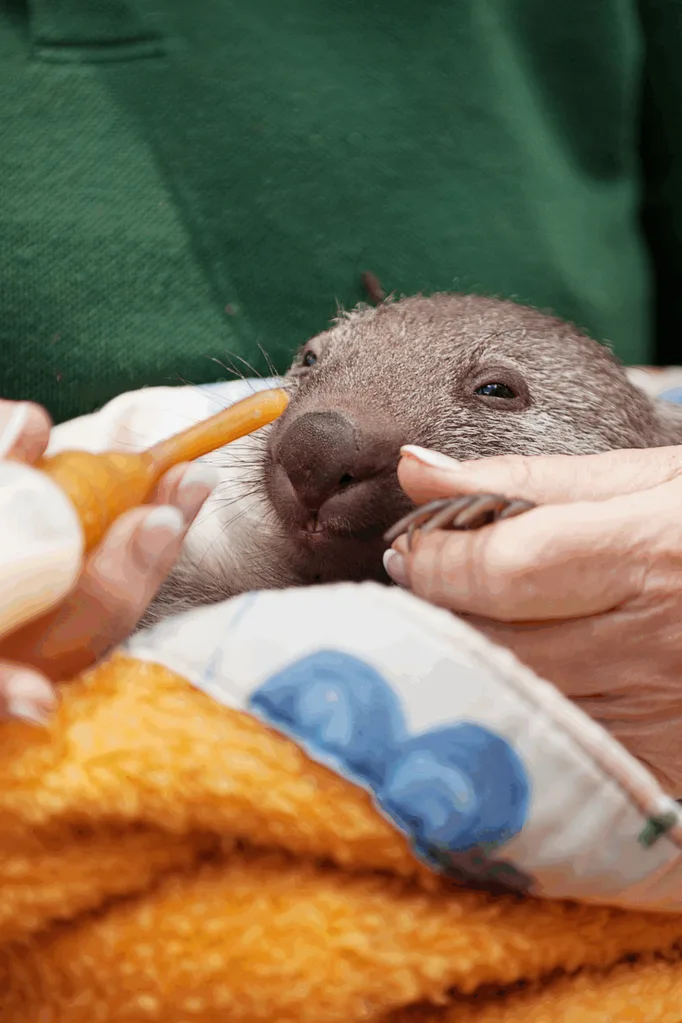
The joeys in Kate’s care are fed every four hours. They receive a specialised formula that is carefully matched to their age and weight. The strength of the formula must suit the animal’s development. Giving them the wrong milk, such as cow’s milk, can be fatal.
Kate shares the right steps to take. “Pick it up, take it home, put it somewhere warm, dark and quiet. Leave it alone and call your closest wildlife organisation. They will send someone to pick it up from you.”
How you can help newborn native wildlife
There are simple and effective ways the public can help reduce harm to baby native animals. Dr Harry and Kate encourage everyone to take action.
If you see a dead animal on the side of the road, stop if it is safe and check the pouch. Keep cats indoors, leash your dogs, and avoid using rat bait, which poisons wildlife.
If you’ve ever thought about volunteering, now’s the time. “We are constantly looking for volunteers but a lot of people take on volunteering without realising the time commitment. It’s rewarding, you raise them so you can release them back into the wild,” Kate said.
The reward is giving these animals a second chance at life. Thanks to passionate wildlife carers and volunteers, more of these tiny lives have the opportunity to grow, thrive, and return to the wild where they belong.

